Buying guide
Forced-Reset and Super Safety Triggers Explained
A mechanical look at Combat Armory's forced-reset and active-reset trigger devices, compatible buffers, install cautions, and legal-check guidance.
Updated · 5 min read
What These Devices Are, Mechanically
This guide describes, in plain mechanical terms, the forced-reset and active-reset devices Combat Armory carries, and the selector and buffer parts sold alongside them. It does not take a position on their use; legal status is covered at the end.
All of the devices covered here are semi-automatic: each shot still requires a separate pull of the trigger. What they change is how the trigger resets between shots. In a standard AR-15 trigger group, the trigger resets forward under spring tension after the bolt carrier cycles, and the finger has to release far enough for the disconnector to catch the hammer before the next pull fires. A forced-reset or active-reset device uses a cam or lever, driven by the bolt carrier’s rearward travel, to physically push the trigger back to reset, rather than relying on the finger and trigger spring alone.
Devices in the Catalog
Browse the current lineup on the /forced-reset-triggers-super-safety/ category page.
| Product | Mechanism type | Platform |
|---|---|---|
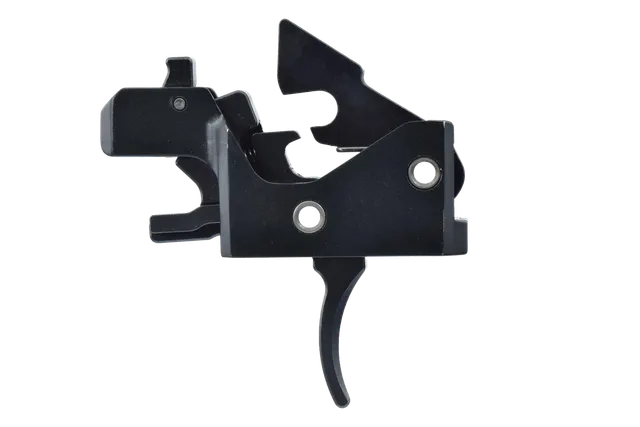
| Partisan Triggers Disruptor | 3-position drop-in forced reset trigger | AR-15 |
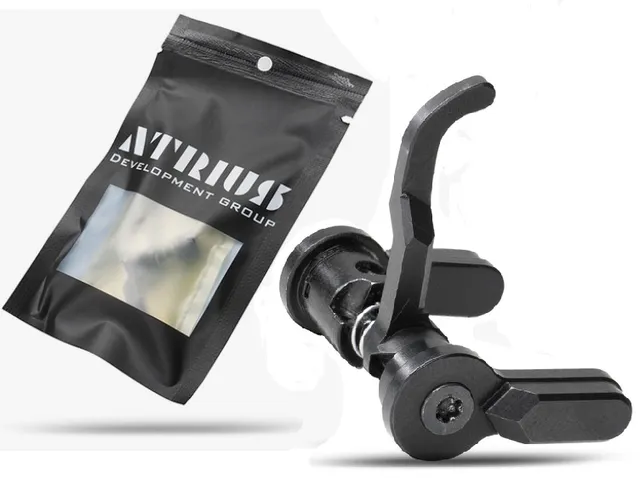
| Atrius Super Selektor (forced reset selector) | Cam-and-lever active reset selector, replaces factory safety selector | AR-15 (mil-spec .223/5.56/.300 BLK fire control groups) |
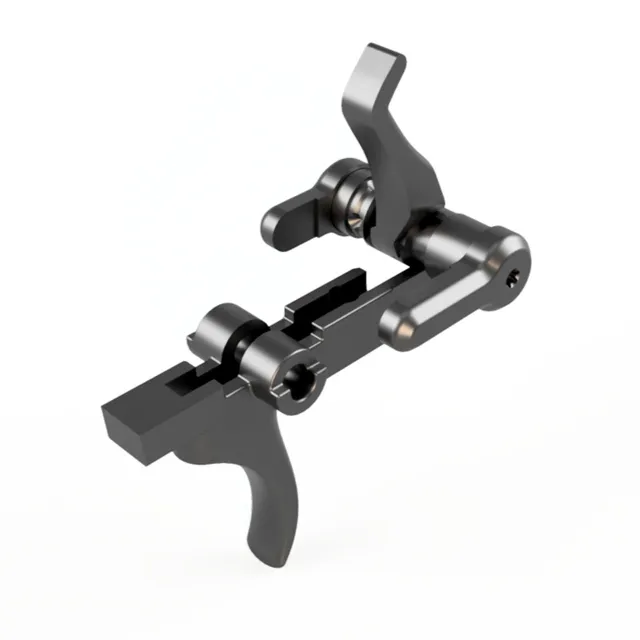
| ARC-Fire | Ambidextrous selector trigger system using a cam, lever, and detent bar (Active Reset Clutch) | AR-15, compatible with a listed range of mil-spec and branded fire control groups with a safety-selector (SS) cut |
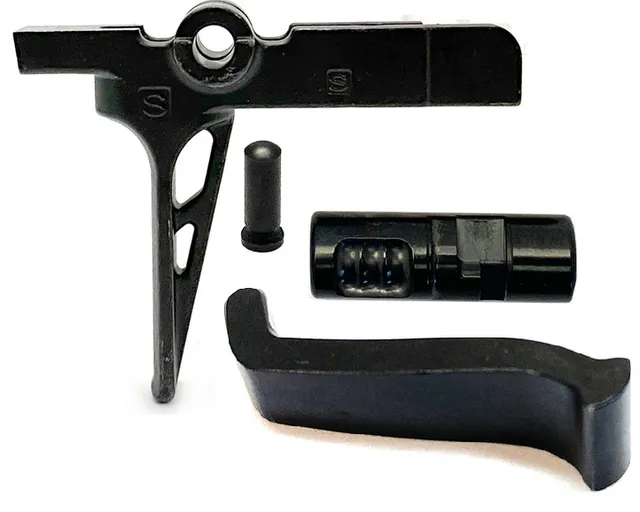
| Super Safety trigger kits (flat face, curved face, straight flat face) | Active reset trigger kit built around a safety cam and lever | AR-15 |
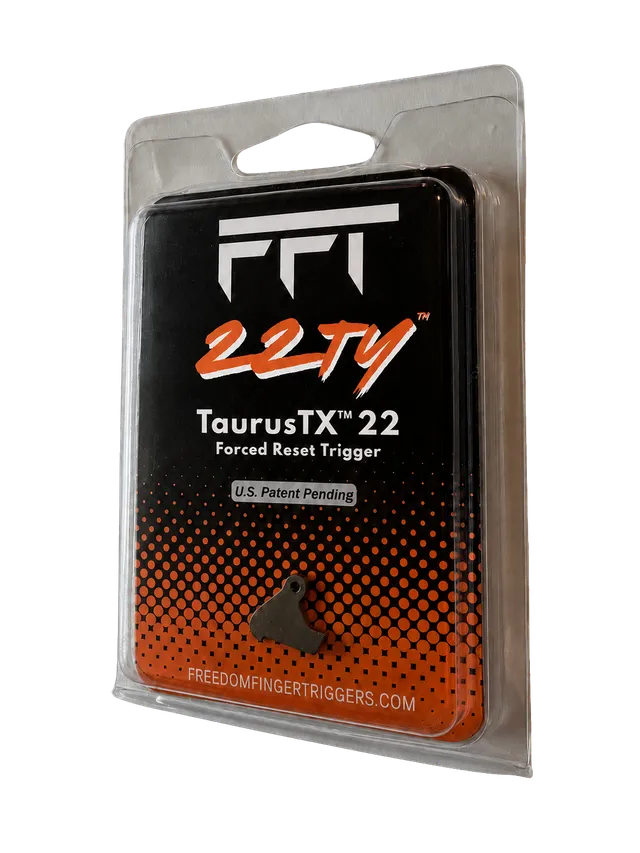
| Freedom Finger (22TY) | Drop-in active reset device that replaces the factory disconnector | Taurus TX22 |
Partisan Triggers Disruptor
Built from tool steel and 4140 chromoly on wear surfaces, with a listed trigger pull weight of 3.75 to 4.1 lbs. Compatible with most AR-pattern lowers; anti-walk pins are recommended. Calls for a minimum H2 buffer (H3 recommended) on 16” or shorter carbine builds, or a standard rifle buffer on 20” A2 stocks.
Atrius Super Selektor
Replaces the factory safety selector and works with mil-spec AR-15 fire control groups without modification, provided the lower has an FA pocket or low shelf and an FA-rated BCG is used. Requires a trigger with a squared-off rear (no U-notch relief cut), recommends an H2 or H3 buffer, and uses a 90-degree throw engagement. AR-9 variants may need professional gunsmithing, and lowers already modified to “Super Safety” spec may not run with Atrius FRS parts, since the two use different cam designs.
ARC-Fire
Uses an M2 tool steel cam, lever, and detent bar (DLC coated), with 4140 steel selectors (black oxide coated), plus a pre-cut trigger and standard safety detent. Built for mil-spec triggers with a safety-selector (SS) cut, and the listing names compatible branded triggers with that cut, including Geissele, ALG Defense, BCM, PSA, Aero Precision, and CMMG models.
Super Safety Trigger Kits
Include a D2 tool steel safety cam and lever, a safety detent pin, and a mil-spec trigger (8620 hardened steel) pre-cut to the required dimensions. The flat, curved, and straight flat face versions differ only in trigger shoe shape and share the same mechanism. The listing calls for a full-auto rated BCG and typically an H2 buffer, varying with gas system length and spring.
Freedom Finger for Taurus TX22
A drop-in device that replaces the factory disconnector. It resets the trigger as the slide cycles, allowing successive pulls with one function of the trigger per round fired. If the reset function fails, the pistol remains able to fire in semi-auto, with no other modifications required. It is CNC-machined from stainless steel. Additional TX22 parts are listed under /taurus-tx22/.
Compatible Buffers
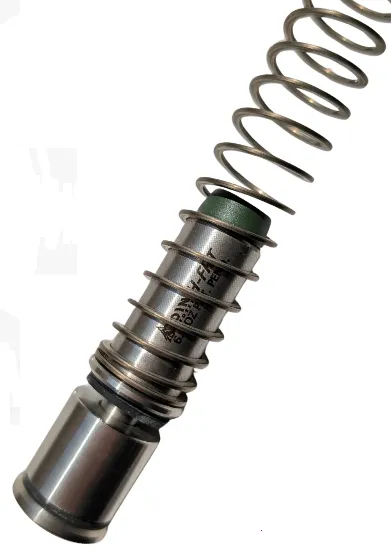
Several devices call out their own buffer weight, generally H2 or H3, or a standard rifle buffer for 20” A2-length builds. Combat Armory also sells the Odin Works HFRB buffer under /buffers-1/, built specifically for active reset devices and super safeties, machined from stainless steel with a flat buffer spring included, offered in AR-15 and AR-9 versions. Several devices are sold in combo listings bundled with the HFRB. Check the buffer weight on your chosen device’s product page, since it varies by device, barrel, and gas system length.
Installation Cautions
These are precision-fit parts, not universal drop-ins for every AR-15 lower. Standard trigger parts are listed separately under /triggers/.
- Several devices require specific trigger geometry or a lower feature (an FA pocket or low shelf); check compatibility against your lower and trigger before ordering.
- A full-auto rated BCG is called for by more than one device; a standard semi-auto BCG where an FA-rated one is specified is a mismatch the listing does not support.
- Running the wrong buffer weight against a device’s recommendation is a functioning issue, not just a preference.
- Mixing systems (for example, an Atrius FRS device on a lower already cut for Super Safety) is not guaranteed to work, since designs vary by manufacturer.
- Have installation and function checked by a qualified gunsmith.
Legal Status
Regulatory treatment of forced-reset and active-reset devices has changed over time and continues to vary by state and locality, and can change without much notice. This guide does not state that any specific device is legal or illegal in any jurisdiction; it is not legal advice. Check current federal, state and local law before ordering. For how regulated or serialized parts ship, see /ffl-transfers/, and review /terms-company-policy/ before ordering.
FAQ
Do these devices turn a semi-automatic AR-15 into a fully automatic firearm?
No. Every device here still requires one separate trigger pull per shot. What changes is how the trigger resets between pulls, using a cam or lever driven by the bolt carrier’s cycling rather than the trigger spring and finger alone.
Can I install the Atrius Super Selektor on a lower already set up for a Super Safety kit?
The Atrius listing warns against assuming compatibility. Super Safety kits use a dovetail cam design while Atrius uses a solid lever cam design, and the two are not guaranteed to run together. Have a gunsmith evaluate the lower before combining parts from different systems.
What buffer should I use with the Odin Works HFRB?
The HFRB is built for active reset devices and super safeties and ships with a flat buffer spring. Several trigger and selector devices specify their own recommended weight, commonly H2 or H3 depending on barrel and gas system length, so cross-check the device’s listing before final assembly.